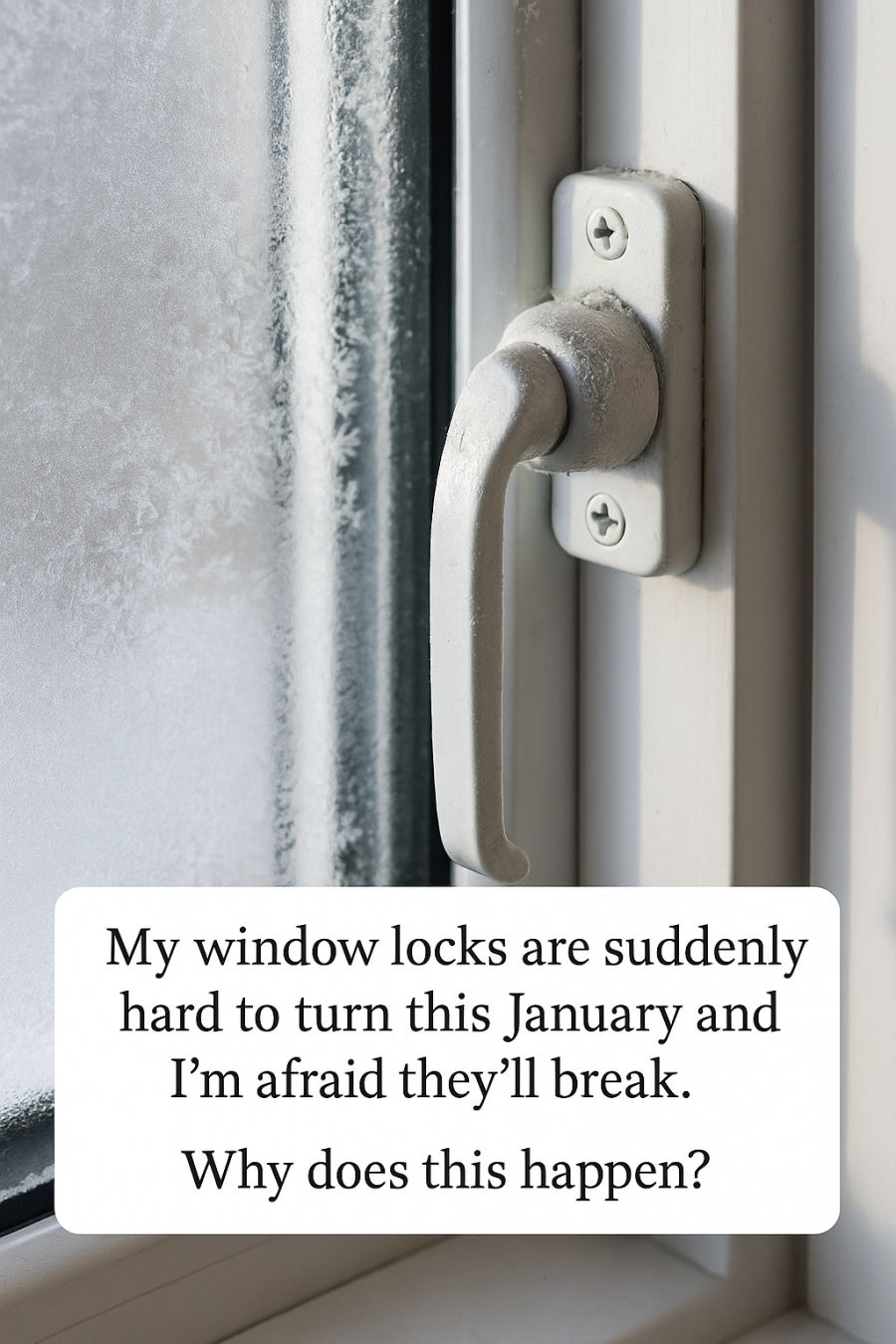
As the first month of the year rolls in, many homeowners are confronted with an unexpected challenge: window locks that have suddenly become difficult to turn. This seemingly minor inconvenience can be a source of frustration, especially when there’s a fear of the locks breaking under pressure. Understanding why this happens can help prevent damage and ensure that your windows remain secure throughout the winter months.
January is a time when temperatures often plummet, leading to a host of changes in the materials that make up our homes. These changes can affect the functionality of various components, including window locks. By identifying the reasons behind these seasonal alterations, homeowners can take proactive steps to protect their windows and maintain their homes’ efficiency and security.
1. Why Window Locks Feel Different When January Hits
The arrival of January ushers in colder temperatures, which can cause significant changes in the materials of your windows and locks. These changes are not just perceived; they are physical transformations that can alter how your window locks operate. The shift from warm to cold weather can affect the metal, wood, and other materials involved in lock mechanisms.
Temperature shifts can cause materials to expand and contract. This process, known as thermal expansion and contraction, is a natural response to temperature changes. While metals contract in cold weather, materials like wood can both expand due to moisture and contract due to cold, leading to a misalignment of the locking mechanisms.
2. Cold Metal Contraction: The Science Behind Stiff Locks
Metal components in window locks, such as steel or aluminum, are particularly susceptible to cold temperatures. When the temperature drops, metals contract, which can make the fit between the bolt and the strike plate tighter than usual. This contraction might be as small as a fraction of a millimeter, but it can significantly increase the force needed to operate the lock.
This phenomenon can be explained by the principles of thermal contraction. For example, aluminum has a coefficient of linear expansion of approximately 0.000022 per degree Celsius. This means that for a window mechanism that is 1 meter long, a 10-degree drop in temperature could lead to a contraction of about 0.22 millimeters, which is enough to make the lock feel stiff and challenging to turn.
3. How Wooden Window Frames Swell, Shrink, And Pinch The Mechanism
Wooden window frames are highly responsive to changes in temperature and humidity. In winter, the air tends to be drier, which can cause wood to shrink. However, if there’s moisture present, such as from condensation, the wood may swell instead. This dynamic of swelling and shrinking can cause window frames to pinch the lock mechanisms, making them harder to operate.
Furthermore, the natural grain of the wood can exacerbate these issues. If the wood swells unevenly, it can create pressure points that bind the lock. This is particularly common in older homes where the wood may have developed micro-cracks that absorb moisture more readily.
4. Moisture, Condensation, And Overnight Freezing Around The Lock
During the winter months, condensation can form on windows as warm indoor air meets cold glass surfaces. This moisture can seep into the lock mechanisms, leading to rust and corrosion over time. Additionally, if temperatures drop significantly overnight, any moisture within the lock can freeze, causing the components to stick or become misaligned.
Freezing moisture is a significant issue because it can expand within the lock mechanism, leading to increased pressure on the lock components. This can result in a lock that is not only stiff but also at risk of breaking if forced.
5. Dirt, Old Grease, And Corrosion Made Worse By Winter Weather
Over time, locks can accumulate dirt and old grease, which can harden in cold weather, making it difficult for the lock to turn smoothly. Corrosion, exacerbated by moisture from condensation, can also create additional resistance within the lock mechanism.
In winter, the combination of these elements can lead to a buildup that makes it increasingly challenging to operate the lock. Regular maintenance, including cleaning and lubrication, is essential to prevent these issues from becoming severe.
6. When The Lock Was Already Worn Out And Winter Finishes It Off
Older locks that have already experienced wear and tear may be more susceptible to becoming stiff in winter. The cold weather can exacerbate existing issues, such as weakened springs or misaligned components, pushing the lock to its breaking point.
In such cases, the additional stress of cold temperatures can cause an already compromised lock to fail completely. It’s important to recognize signs of wear and tear before the winter months to avoid this scenario.
7. The Role Of House Movement, Drafts, And Temperature Swings
Houses naturally expand and contract with temperature changes, which can impact the alignment of windows and doors. Drafts and temperature swings between day and night can cause the house structure to shift slightly, affecting the fit of window locks.
This movement can lead to misalignment, where the lock components no longer fit together as they should. Recognizing these patterns can help homeowners identify when and where to make adjustments to maintain lock functionality.
8. Viral Lubricant Hacks: What Actually Works And What To Avoid
