Had No Clue About This
5. Physical Health Benefits You Didn’t Expect
Beyond mental health, thumb and forefinger pressing offers a variety of physical benefits. Regular stimulation of the LI4 point is linked to pain relief, especially for headaches and migraines, due to endorphin release and increased circulation.
Some practitioners also claim that it improves digestive function, as it’s connected to the large intestine meridian. While more clinical research is needed, anecdotal evidence suggests relief from gastrointestinal issues and better bowel function.
6. How It Can Help Reduce Stress
One of the most notable benefits of this technique is stress reduction. Pressing the LI4 point may help lower cortisol levels—the hormone responsible for stress—resulting in a calmer state of mind and fewer physical symptoms of stress.
It also provides a quick mental break during stressful moments, giving the body and mind a chance to reset. Since it can be practiced discreetly anywhere, it’s a practical tool for stress management in daily life.
7. Enhancing Focus and Concentration
In today’s fast-paced world, maintaining focus is increasingly difficult. Thumb and forefinger pressing may support better cognitive performance by promoting relaxation and minimizing distractions.
Research shows that acupressure can enhance alpha brainwave activity, which is associated with a relaxed yet alert state—ideal for concentration and mental clarity. This makes the practice a useful aid for productivity and attention.
8. Potential Downsides and Misconceptions
While this technique is generally safe, there are a few caveats. Applying excessive pressure can cause discomfort, particularly for those with sensitive skin, nerve issues, or certain health conditions.
Also, it’s important to note that acupressure is not a cure-all. While it may complement traditional medical care, it should not replace professional treatment for serious conditions. Setting realistic expectations ensures a healthier, more informed approach.
9. Expert Opinions on Acupressure Techniques
Experts in acupuncture and alternative medicine stress the importance of correct technique and consistency. They recommend applying firm but gentle pressure to the LI4 point for 1–2 minutes, several times a day.
Most practitioners agree that acupressure works best when used as part of a broader wellness plan, not as a standalone solution. When combined with other healthy habits, it can be a powerful tool for overall well-being.
10. How to Incorporate This Practice into Your Daily Routine
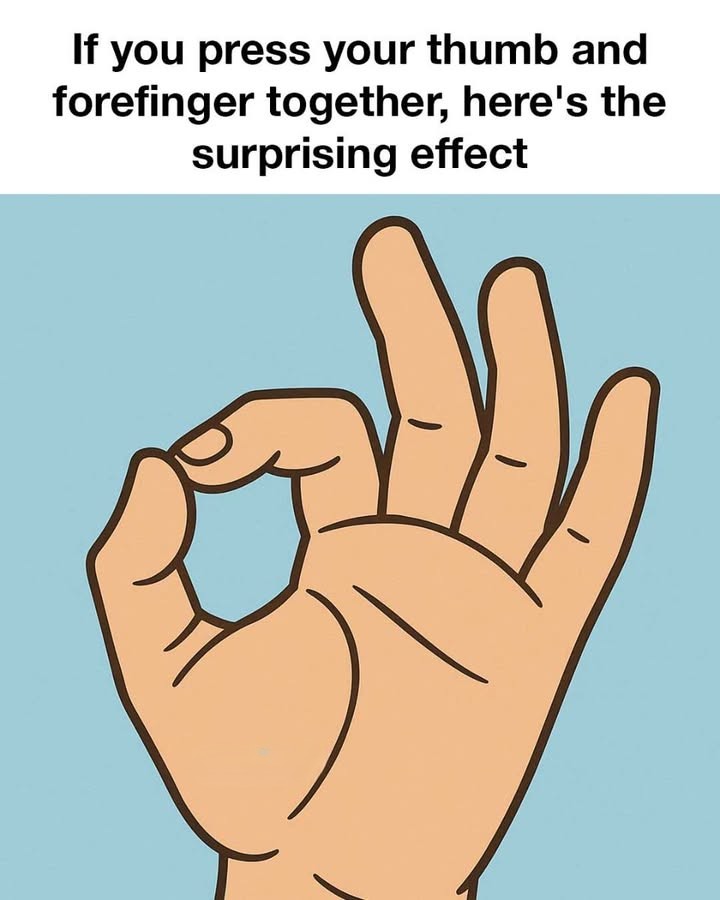
Integrating this practice into your daily life is easy and requires no special tools. Start by finding a comfortable seated or standing position. Using your thumb and index finger, apply pressure to the webbing between the thumb and index finger of your opposite hand.
Hold the pressure for 1–2 minutes, breathing deeply and focusing on the sensation. Repeat as needed throughout the day—especially during stressful moments or when you need to concentrate. Consistency is key to experiencing its full benefits.
11. Other Simple Acupressure Techniques to Try
Beyond thumb and forefinger pressing, several other acupressure techniques can be easily used to support health and well-being. The Yintang point, located between the eyebrows, is known for its calming effects and headache relief.
Another is Pericardium 6 (P6), found on the inner wrist, which is commonly used to relieve nausea and motion sickness. Exploring different points allows individuals to tailor their acupressure routine to meet specific needs.
Conclusion
Though it may appear simple, pressing the thumb and forefinger together taps into powerful acupressure principles with roots in ancient healing traditions. Backed by both historical wisdom and modern science, this small gesture holds the potential to support both mental clarity and physical wellness. Whether you’re seeking stress relief, better focus, or a moment of mindfulness, this easy technique is worth trying—and might just become a staple in your wellness routine.
