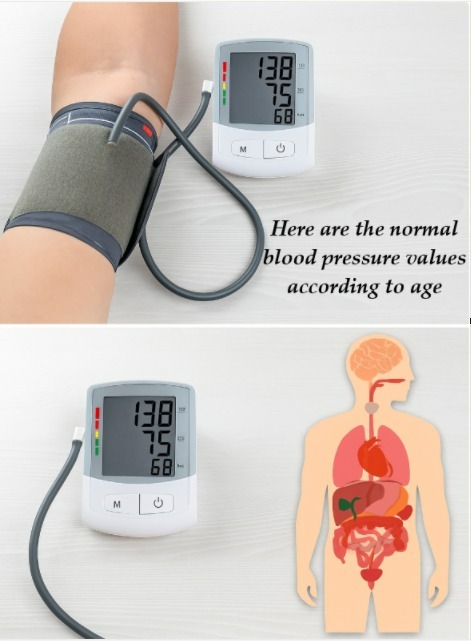
A Simple Guide Based on WHO & Medical Guidelines
Blood pressure is one of the most important indicators of heart health—yet many people don’t truly understand what their numbers mean.
So, is 120/80 mmHg still the “gold standard”?
Does blood pressure change with age?
And when should you be concerned?
Let’s break down what normal blood pressure really means, based on current guidelines from the World Health Organization (WHO) and the American Heart Association (AHA).
Because real wellness starts with understanding your body—not guessing.
🔍 What Is Blood Pressure?
Blood pressure measures the force of blood pushing against the walls of your arteries as your heart pumps.
It is recorded as two numbers:
Systolic (top number): The pressure in your arteries when your heart beats
Diastolic (bottom number): The pressure when your heart rests between beats
📏 Blood pressure is measured in millimeters of mercury (mmHg) and written as systolic/diastolic, for example: 120/80 mmHg.
✅ Updated Blood Pressure Categories (AHA & WHO)
| Category | Systolic (mmHg) | Diastolic (mmHg) | Description |
|---|---|---|---|
| ✅ Normal | Less than 120 | Less than 80 | Ideal range |
| ⚠️ Elevated | 120–129 | Less than 80 | Early warning zone |
| 🟡 High Blood Pressure (Stage 1) | 130–139 | or 80–89 | Mild hypertension |
| 🔴 High Blood Pressure (Stage 2) | 140 or higher | or 90 or higher | Requires medical management |
| 🚨 Hypertensive Crisis | Higher than 180 | and/or higher than 120 | Seek immediate medical attention |
⚠️ If you experience symptoms such as chest pain, severe headache, vision changes, or shortness of breath along with very high readings, seek emergency medical care immediately.
🌍 What the World Health Organization (WHO) Says
see continuation on next page
