Water Retention (Edema)
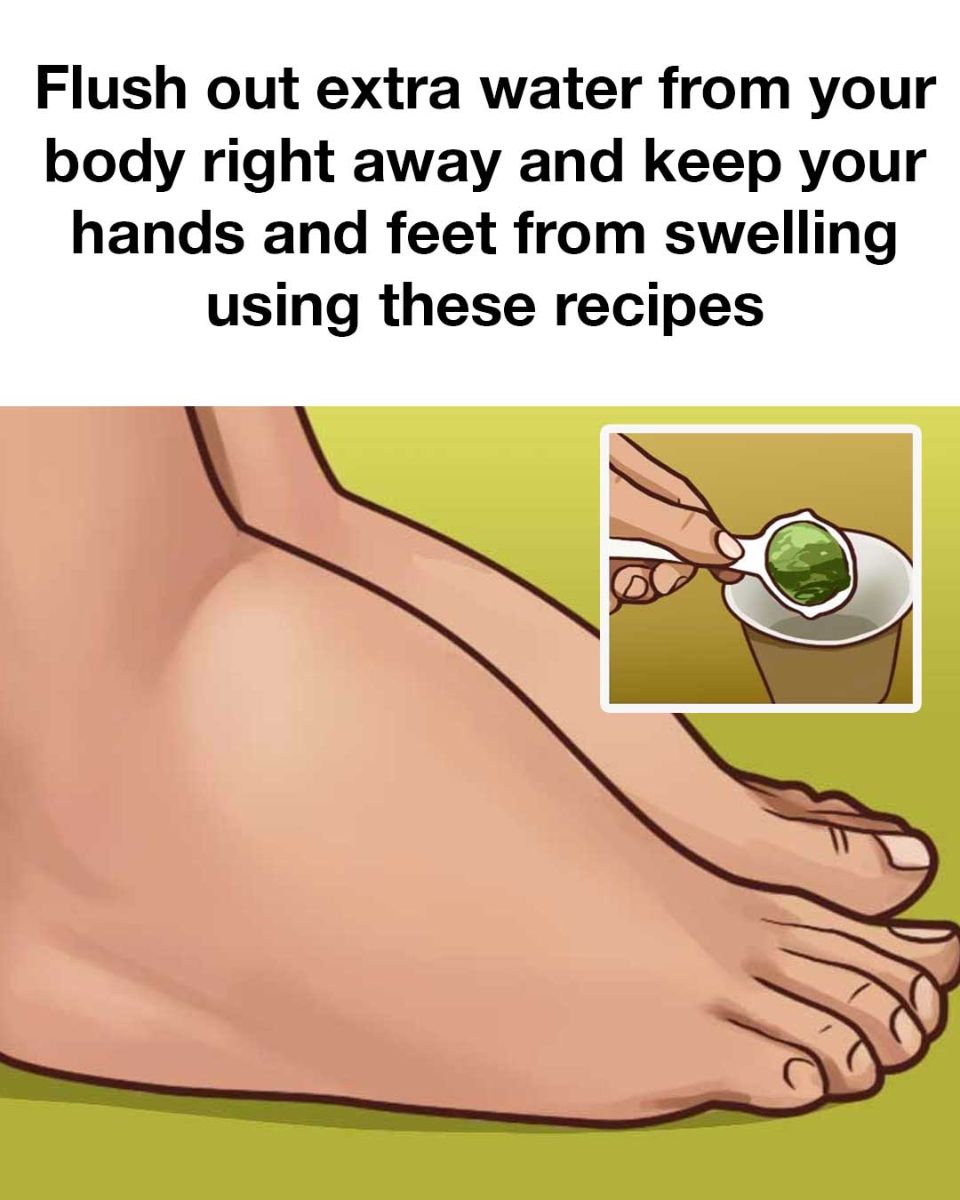
Water retention, also known as edema, occurs when excess fluid builds up in the body’s tissues. This condition often causes swelling in the hands, feet, ankles, and legs. While water retention is usually temporary, persistent swelling can be uncomfortable and may indicate an underlying health problem. Understanding the causes, symptoms, and effective management strategies is essential for maintaining overall health.
Causes of Water Retention
Water retention can occur for several reasons. Common causes include excessive sodium intake, hormonal changes, certain medications, prolonged sitting or standing, and lack of physical activity. In some cases, underlying medical conditions such as heart, kidney, or liver disease may contribute to fluid buildup. Identifying the cause is important for proper treatment and prevention.
Symptoms of Swelling in Hands and Feet
Common symptoms of water retention include puffiness, tightness, stiffness, and a heavy feeling in the affected areas. The skin may appear stretched or shiny. In more severe cases, pressing on the swollen area may leave a temporary indentation. Early recognition of these symptoms can help prevent worsening discomfort.
The Importance of Staying Hydrated
Although it may seem counterintuitive, proper hydration helps reduce water retention. When the body becomes dehydrated, it responds by holding onto fluids. Drinking enough water supports kidney function, helping flush out excess sodium and waste, which reduces fluid buildup.
Dietary Adjustments to Reduce Water Retention
Diet plays a key role in managing water retention. Reducing salt intake, increasing potassium-rich foods, and limiting processed and fast foods can help prevent fluid accumulation. A balanced diet that includes fruits, vegetables, lean proteins, and healthy fats supports proper fluid balance.
Foods That Help Flush Excess Water
Some foods have natural diuretic properties that encourage the body to release excess water. These include cucumbers, watermelon, celery, and citrus fruits. Potassium-rich foods such as bananas, avocados, and sweet potatoes also help regulate fluid levels.
Herbal Teas for Reducing Swelling
Herbal teas like dandelion tea, green tea, and parsley tea may help reduce swelling due to their mild diuretic effects. Drinking one to two cups per day can help relieve bloating and puffiness.
Epsom Salt Soaks for Hands and Feet
Soaking hands or feet in Epsom salt can help reduce swelling and discomfort. Magnesium sulfate in Epsom salt may help draw out excess fluid and reduce inflammation. Mix half a cup of Epsom salt in warm water and soak for 15–20 minutes several times a week.
Anti-Inflammatory Smoothie Recipe
An anti-inflammatory smoothie can help reduce water retention while providing essential nutrients.
Ingredients:
1 cup kale
1 cup pineapple chunks
½ cucumber
1 tablespoon chia seeds
Juice of ½ lemon
1 cup coconut water
Blend all ingredients until smooth and drink in the morning.
Natural Diuretic Drink Recipe
This natural drink can help flush excess fluids:
Blend 1 cup watermelon, ½ cucumber, ½ cup cranberry juice, and the juice of 1 lemon. Drink in the morning or early afternoon for best results.
Hydrating and Detoxifying Soup Recipe
A light, hydrating soup can help reduce water retention:
Sauté 1 chopped onion and 3 minced garlic cloves in 1 tablespoon olive oil. Add 4 cups low-sodium vegetable broth, 1 cup chopped celery, 1 cup chopped carrots, and 2 cups spinach. Simmer for 20–25 minutes and season with salt and pepper to taste. Garnish with fresh parsley.
Lifestyle Changes to Prevent Water Retention
Regular physical activity improves circulation and helps prevent fluid buildup. Elevating the legs, wearing compression stockings, managing stress, and getting adequate sleep can also help maintain healthy fluid balance.
Conclusion
Maintaining proper fluid balance is essential for overall health. By understanding the causes of water retention and adopting healthy dietary and lifestyle habits, swelling can be effectively managed and reduced. Staying hydrated, eating well, and making informed health choices are key to preventing fluid retention.
