Basil is one of the most beloved aromatic herbs used to enhance and flavor dishes in our cuisine. There are around forty varieties of basil, but the most famous for their aroma are the Genovese basil with narrow leaves and the Neapolitan basil with broad leaves. A common trait among all varieties is that they thrive in summer, under the sun and heat, but tend to suffer and not survive with the arrival of autumn and winter, when the cold sets in.
There is a method to try and keep basil alive in winter: if it’s planted in a pot, move it indoors to a warm place, perhaps in a small greenhouse; if planted in the ground, cover it with a non-woven fabric to protect it from the elements. But what about fresh basil?
Fortunately, there are simple tricks that allow you to preserve basil leaves even during the cold season, maintaining their flavor and aroma. For example, you can freeze it or preserve it in oil. Let’s discover how to preserve basil for the winter, ensuring it keeps its aromatic qualities intact.
Basil in Italian Cuisine
Basil is a very popular ingredient in Italian cooking. When the basil plant blooms, its white flowers can also be used in cooking to flavor dishes, make delicate pesto, infuse drinks and olive oil, or even create room fragrances. In Italy, basil is the key ingredient in the famous Genovese pesto, a traditional sauce from Liguria made with fresh basil, garlic, pine nuts, Parmigiano, Pecorino, and extra virgin olive oil.
Beyond pesto, basil is frequently used to season pasta dishes, such as tomato-based sauces, and pizzas, like the classic Margherita, where it adds a fresh, aromatic touch.
Basil is also widely used in fish and vegetable dishes. For example, it can be added to summer salads with tomatoes, mozzarella, and olive oil, or used to flavor sauces and dressings. During the summer months, when basil grows abundantly, it’s commonly found in many Mediterranean recipes, enriching dishes with its fresh and vibrant taste.
In addition to its flavor, basil offers health benefits as well, including antioxidant and anti-inflammatory properties, which further increase its value in the kitchen.
Preservation Methods
Short-term preservation
Perhaps the quickest and easiest method. Just take a baking tray lined with parchment paper and clear some space in the freezer. Arrange the basil leaves on the tray and freeze them separately to avoid sticking together into a single block. After about two hours, remove the frozen leaves and place them in a freezer-safe bag before returning them to the freezer.
In oil
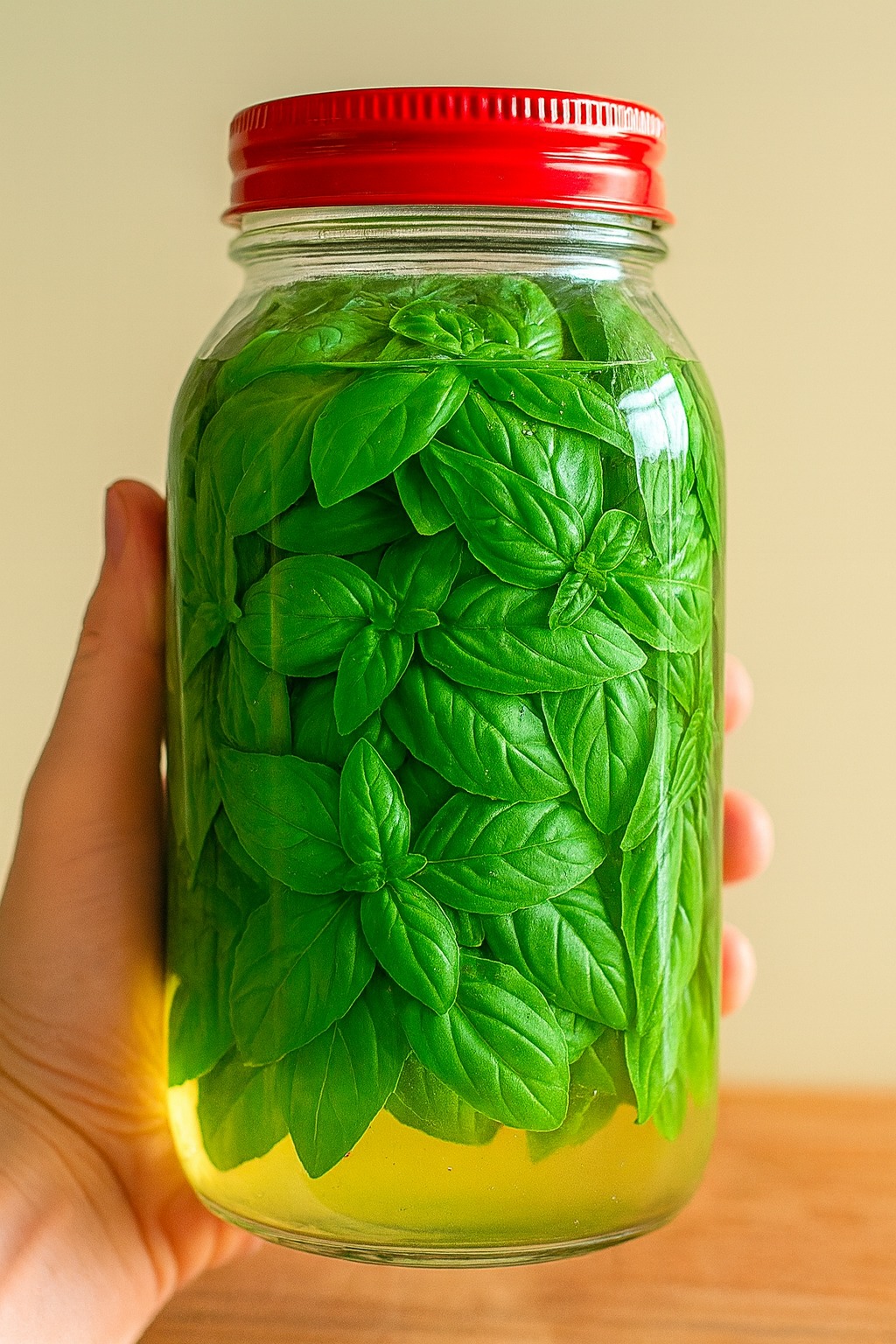
A traditional technique used by our grandmothers. With this method, the color and aroma of the basil remain intact, giving you a ready base for pesto or a simple condiment. Start by sterilizing glass jars with airtight lids. Wash and dry the basil leaves carefully, making sure they’re whole. Place the leaves in the jars and cover completely with olive oil. Seal the jars tightly and store them in the fridge. Once opened, the basil should be consumed within a couple of weeks.
In salt
To preserve basil for a long time, you can use the salt method. After washing and drying the leaves thoroughly to prevent mold, place them at the bottom of an airtight jar. Cover the leaves with a layer of fine salt and continue alternating layers until the jar is almost full. Pour olive oil to the top and seal the jar. This way, basil will stay fresh, fragrant, and colorful for several months.
Long-term preservation
The longest-lasting method is drying, although it can slightly alter the color. There are two main ways: air drying or oven drying.
Air drying: Separate the basil stems, wash and dry them carefully. Tie them in small bunches with string or elastic and hang them in a well-ventilated area, away from heat sources. After 10–15 days, you’ll have dried basil.
Oven drying: Place the leaves on a baking tray and bake them in a preheated oven at the lowest temperature for about 20 minutes. Then, leave the leaves in the turned-off oven overnight.
Freezing in oil
A safe way to preserve fresh basil for winter is to make basil and olive oil cubes, perfect for adding to sauces and dressings while maintaining its color and signature aroma. Simply fill an ice cube tray with extra virgin olive oil and place about three basil leaves in each section. Freeze, and after about an hour, you’ll have ready-to-use cubes. Add a cube directly to a pan for sautéing or to enhance a fresh tomato sauce!
In jars
Another method is to use an airtight jar. Choose a jar with a tight-fitting lid and fill it with clean, dry basil leaves. Between each layer, add a little fine salt. Leave a few centimeters of space at the top before sealing. Store the jar in a cool, dry place.
How to Use Preserved Basil
You can use preserved basil in many creative ways. For instance:
Prepare a delicious pesto to serve with pasta, bruschetta, or sandwiches.
Add basil oil cubes directly into your sauces and stews for added flavor.
Finely chop the preserved basil and mix it into salads for a fresh, aromatic touch.
Use it as a final garnish for freshly baked pizzas.
Marinate meat, fish, or vegetables before cooking.
Add preserved basil leaves to cocktails, fruit juices, or infused water for a refreshing, herbal note.
Prepare basil tea by infusing preserved leaves in hot water for a soothing and aromatic drink.
Experiment with preserved basil in different recipes and discover new ways to enjoy this delicious aromatic herb all year round!
